Heavy Metal Toxicity and Hair Fall: Treating with Chelation IV Therapy
Hair loss is a complex issue with many potential causes, including genetics, stress, hormonal imbalances, and nutritional deficiencies. However, one underlying factor that is often overlooked is heavy metal toxicity. Toxic metals like lead, mercury, arsenic, and cadmium can build up in the body over time. This accumulation can trigger many health issues, including hair loss. This article explains how heavy metal toxicity contributes to hair fall. It also outlines how chelation IV therapy can offer an effective treatment option.
What Is Heavy Metal Toxicity?
Heavy metal toxicity occurs when harmful levels of toxic metals accumulate in the body. These metals, while naturally occurring, can be harmful in large amounts. We encounter heavy metals through various sources such as:
- Polluted air and water
- Industrial emissions and household products
- Fish and seafood containing high mercury levels
- Smoking and second-hand smoke
- Beauty products and hair dyes containing lead or mercury
Once these metals enter the body, they can interfere with cellular function, nutrient absorption, and cause oxidative stress. Over time, this results in a range of health problems, including hair thinning and hair loss.
How Heavy Metals Cause Hair Loss
Heavy metals can disrupt hair growth in several ways:
- Oxidative Damage to Hair Follicles
Heavy metals generate free radicals, which lead to oxidative stress. This stress damages hair follicles, reducing their ability to grow healthy, strong hair strands. Oxidative damage also causes premature aging of the hair, making it prone to thinning and breaking. - Disruption of Essential Nutrients
Heavy metals compete with essential minerals like zinc, iron, and calcium, blocking their absorption. These nutrients are critical for hair growth, and their deficiency can result in weakened hair follicles, brittle hair, and increased shedding. - Interference with Hormonal Balance
Toxic metals can disrupt the body’s hormonal balance, leading to imbalances in hormones like estrogen and testosterone, both of which play a vital role in hair health. Hormonal imbalances caused by heavy metals may trigger hair thinning, particularly in women and men predisposed to hair loss. - Impairment of Detoxification Pathways
The body naturally detoxifies harmful substances through the liver and kidneys, but heavy metal toxicity can overload these organs, impairing the detoxification process. When the body can’t efficiently eliminate toxins, they accumulate, exacerbating scalp inflammation and hair loss.
Chelation IV Therapy: A Solution for Heavy Metal-Induced Hair Loss
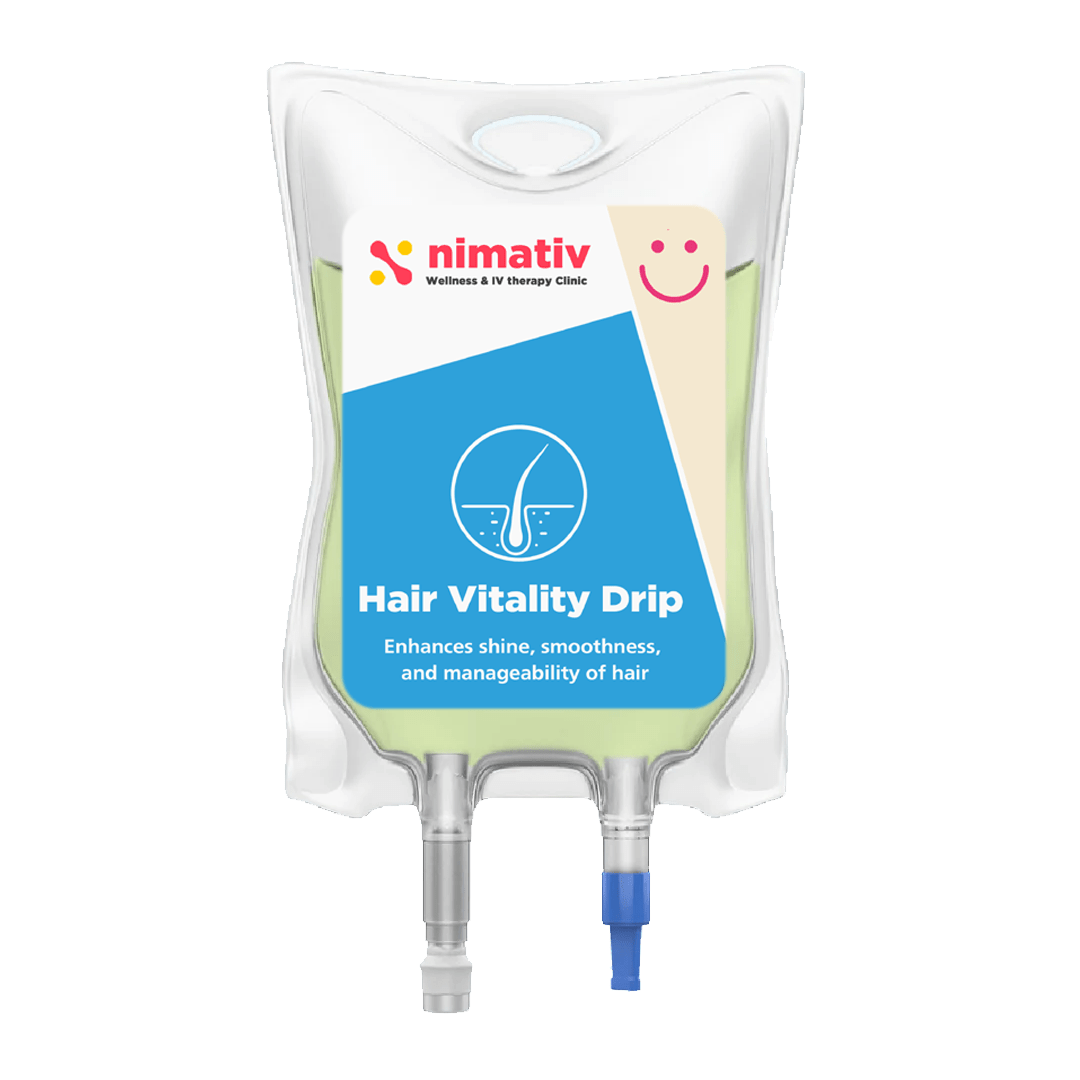
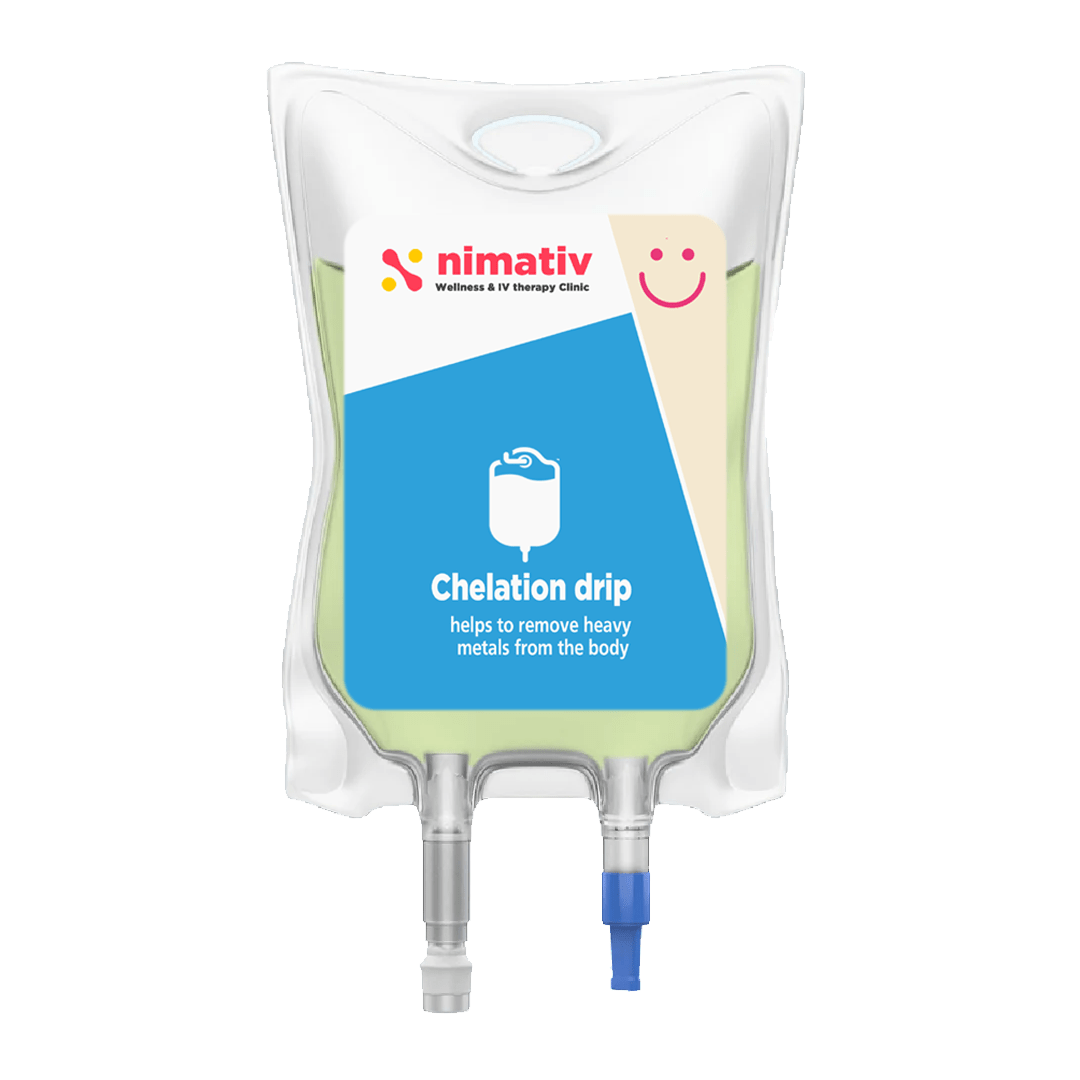
Traditional treatments for hair loss often focus on hormonal or topical solutions. Chelation IV therapy works differently. It targets heavy metal toxicity, which can be a root cause of hair fall. The therapy uses chelating agents delivered through an intravenous (IV) drip. These agents bind to toxic metals and help remove them through the kidneys.
Here’s how chelation IV therapy works:
- Chelating Agents
Chelation therapy uses agents such as EDTA (ethylenediaminetetraacetic acid) or DMSA (dimercaptosuccinic acid) that bind to heavy metals in the bloodstream. These agents form complexes with metals like lead, mercury, and arsenic, allowing them to be safely excreted by the body. - Targeted Detoxification
Chelation therapy specifically targets heavy metals without affecting essential minerals like calcium or magnesium. This selective removal helps the body eliminate toxins without causing further nutrient deficiencies. - Improved Nutrient Absorption
Once heavy metals are removed, the body can better absorb critical nutrients needed for hair growth. After chelation therapy, patients often experience an improvement in the absorption of zinc, iron, and other key vitamins that support healthy hair. - Reduction in Oxidative Stress
Chelation therapy helps reduce oxidative stress by removing the free radicals and toxic metals that cause damage to hair follicles. This creates a healthier environment for hair to regrow and thrive.
Benefits of Chelation IV Therapy
1. Removes Heavy Metals From the Body
-
Chelation binds to toxic metals such as lead, mercury, arsenic, and cadmium. The body can then safely eliminate them through the kidneys.
2. Reduces Oxidative Stress
By lowering metal-induced free radicals, chelation helps protect cells from inflammation and oxidative damage.
3. Supports Cardiovascular Health
Chelation may improve blood flow by reducing metal-induced arterial stiffness and improving endothelial function.
4. Enhances Nutrient Absorption
Once toxic metals are removed, the body can use vitamins and minerals more effectively, supporting energy, immunity, and cellular repair.
5. Promotes Hair and Skin Health
Detoxifying heavy metals restores balance in the body, which may support healthy hair growth and improve overall skin vitality.
What to Expect from Chelation IV Therapy
Chelation IV therapy sessions typically last about 30 minutes to an hour, depending on the severity of toxicity and the type of chelating agent used. Multiple sessions may be required to fully detoxify the body and support hair regrowth. Patients often notice improvements in hair strength, texture, and growth within a few weeks to months, depending on the level of exposure to heavy metals.
After therapy, maintaining a healthy lifestyle and reducing exposure to heavy metals can enhance the long-term benefits of the treatment. Regular blood tests to monitor metal levels and continued use of clean beauty products and hair care practices are also recommended.
Conclusion
Heavy metal toxicity is an often-overlooked cause of hair loss. Chelation IV therapy offers a powerful solution by removing these harmful toxins from the body. This targeted detoxification helps restore nutrient balance and reduces oxidative stress. It also creates an optimal environment for healthy hair regrowth. If heavy metal exposure is affecting your health or hair, speak with a healthcare provider. Chelation IV therapy may help reverse hair loss and improve your overall well-being.